
Infused vs. Standard Pre-Rolls: Differences and How to Pick
In New York, pre-rolls are now one of the top three products by revenue. Each month, there is a battle between premium-infused joints and regular single-strain joints. Non-infused pre-rolls are still the favorite for people who want smoothness and pure strain flavors. Infused pre-rolls offer better THC ratios for those looking for a stronger experience. Here, we’ll look at the main differences between these two popular types of pre-rolls.
What Are Infused and Non-Infused Pre-Rolls?
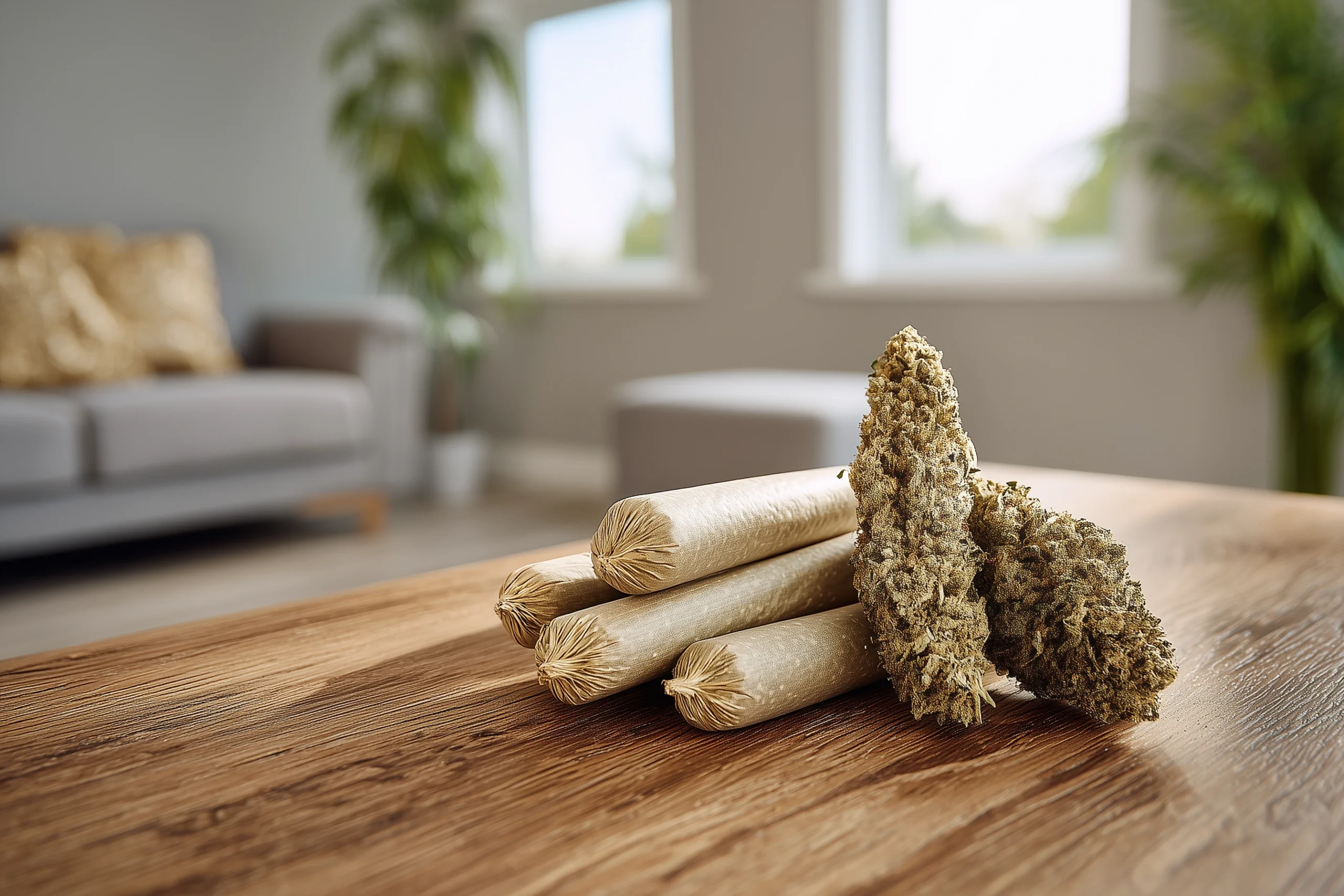
Infused pre-rolls are pre-rolled joints that incorporate added cannabis concentrates (e.g., kief, hash, live resin/rosin, distillate, THCA crystals), either mixed with the ground flower or applied to the outside of the joint. Meanwhile, non‑infused pre-rolls only contain ground flower. As per manufacturing and retail practice, non-infused pre-rolls are tested as flower, while infused ones are treated as manufactured products with concentrates.
What Makes an Infused Pre-Roll Different
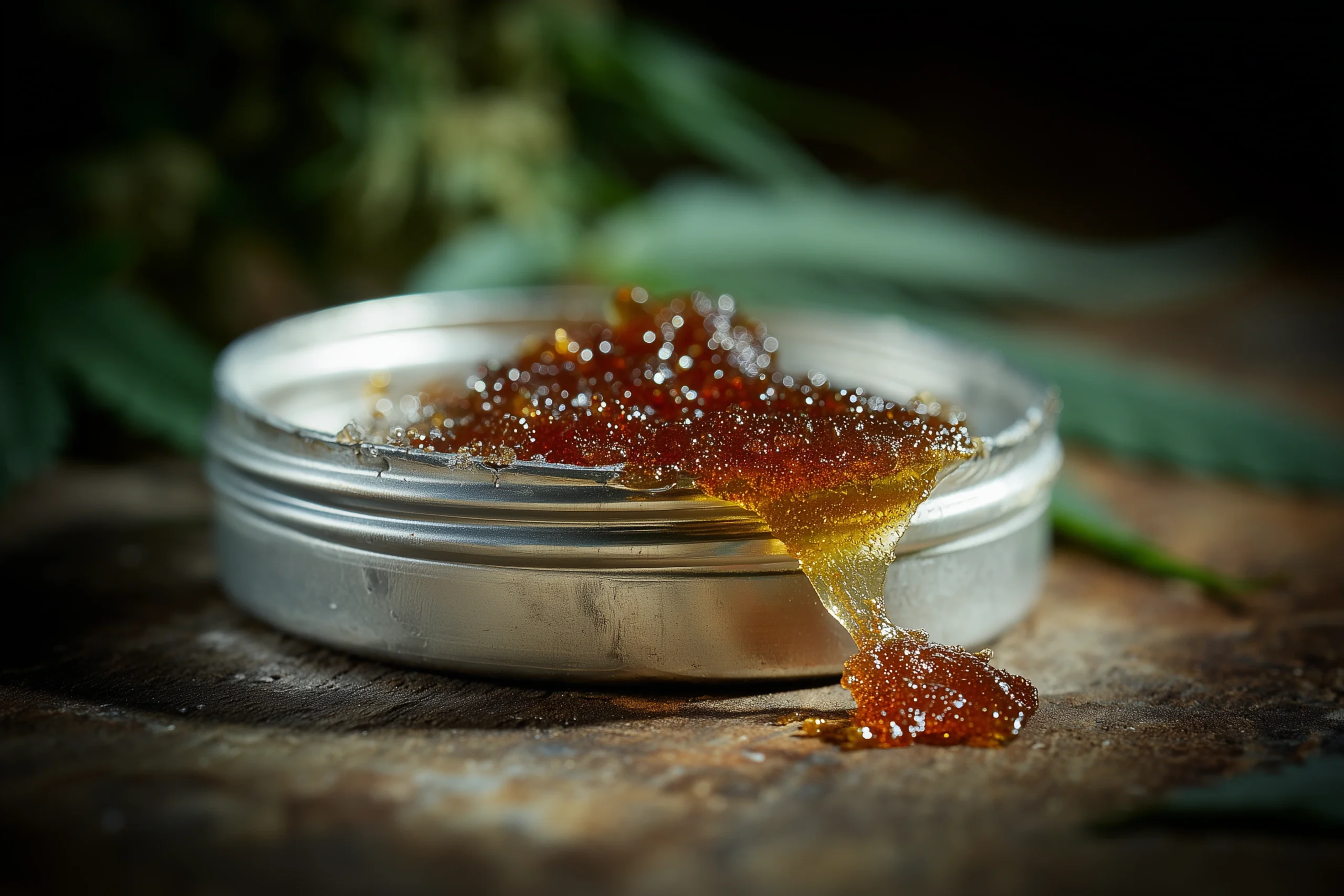
According to Leafly, there are two modes: internal and external infusion. And this is what should help you differentiate infused joints. You can find pre-rolls with hash outside them, coated with terpene-infused cannabis oil and finished off with dry sifted Kief, or hash packed inside, Concentrate blended with ground flower for even distribution.
What’s Inside a Non-Infused Pre-Roll
Nothing but cannabis flower that’s ground to suitable particle sizes. No added concentrates. Keep in mind that even in non-infused products, the levels of THC and other cannabinoids can vary because the source strains are different.
What is the main difference between infused and non-infused pre-rolls?
Infused pre-rolls mix ground flower with cannabis concentrates, whereas non-infused ones only have ground flower. If, for example, a non-infused and infused joint uses the same mg of ground flower, the infused joint will have a significant cannabinoid composition
How the Infusion Process Works
Manufacturers use three infusion methods: internal, surface, and hybrid infusion. Most of the time, they use concentrates: hash, kief, rosin, resin, and distillate.
- Internal: either blended with ground flower or there’s a central rod of any concentrate at the middle wrapped in flower (also called “hash-hole”)
- Surface: either brushed on the wrapper, then rolled in kief, or there are targeted bands, like rings on paper, designed for incremental THC release
- Hybrid: either hash inside and then kief outside, or an injected column of distillate on the finished cone
Common Infusion Types - Oil, Kief, and Hash
- Oil: gives the sharpest, most predictable THC effects; live resin/rosin oil keeps more natural terpenes, while distillate adds terpenes back for a steady, simpler flavor profile.
- Kief: Dry-sift trichomes rolled on the outside or blended with the flower; the cleaner the kief (more intact heads, less plant dust), the better it melts and the brighter the aroma.
- Hash: Ice-water hash or rosin placed as a column (center or on paper) or mixed in; smoothly liquefies and releases terpenes at proper temps, giving strong, terpene‑rich effects.
Effects and Strength: What to Expect
How Infused Pre-Rolls Feel Stronger
Concentrate type matters: live resin/rosin-infused joints combine high THC with enriched monoterpenes (e.g., limonene, myrcene, α-pinene), amplifying perceived intensity beyond that of the same cultivar’s flower. Studies also show that THC-dominant concentrates elevate acute drug effect ratings and intoxication.
How Non-Infused Pre-Rolls Deliver a Smoother Experience
The characteristics of the flower, like how it’s prepped, the humidity, and a moderate THC level, are key to a good experience, according to users in medical studies. These factors contribute to a consistent effect without the intense highs of concentrates.
When to Choose High Potency vs Light Smoke
High potency is perfect for experienced users needing rapid, strong effects, and light smoke is good for newer or low-tolerance users who value controllability. Higher potency reduces the number of puffs required to reach the target dose and accelerates the onset of peak effects. Lower potency makes it easier to adjust the dose.
How Tolerance Affects Your Choice
Chronic THC use numbs CB1 receptors, but they mostly recover after about four weeks of not using. This shift makes high-tolerance users prefer infused options, while low-tolerance users feel more comfortable with non-infused options.
Flavor and Aroma
How Infusion Boosts Flavor and Aroma
Live rosin and live resin preserve volatile monoterpenes. The bright, fast‑evaporating molecules read as citrus, pine, and floral on the nose. When layered into a flower, those top notes sit over the cultivar’s native profile, making the first impression louder and the bouquet more dimensional than the same flower uninfused. As you smoke, heat and airflow can shift the profile: some terpenes flash off early, and harsher pyrolysis products can creep in if things run hot. Rule of thumb: take slower draws and keep the burn cooler to maintain the intended aromatics and reduce bite.
Natural Taste of Non-Infused Rolls
Non‑infused pre-rolls showcase the true terpene profile of the cultivar, ensuring varietal consistency and batch quality without added extracts. They offer a cleaner, subtler flavor with fewer thermal reactions due to lower terpene levels.
Which Type Offers More Terpene Richness
Infused (live rosin/resin) offers a stronger terpene experience by preserving monoterpenes and minor volatiles, which surpasses flower-only products. Non-infused remains true to the original flower’s chemotype and is useful for sensory evaluation and palate training.
Pre-Rolls Price and Value
Why Infused Pre-Rolls Cost More
Higher costs come from using fresh-frozen, low-temperature extraction and solventless pressing. These methods keep delicate terpenes intact and improve the sensory experience. However, they produce lower yields compared to flower-only rolls. Solventless hash rosin commonly retails near $50–$80 per gram, while hydrocarbon live resin dabs often land around $30–$70 per gram.
Are Non-Infused Rolls More Budget-Friendly?
Yes, they’re cheaper because there are no added concentrates. For newbies and moderate users, only a few milligrams are enough to achieve comfortable effects. No need to choose high-THC infused rolls. Non-infused offers lower cost-per-satisfactory.From estimates, a $10 non-infused 1 g pre-roll with 20% THC (200 mg) costs about $0.05 per mg, while a $20 infused 1 g at 35% THC (350 mg) costs roughly $0.057 per mg.
Comparing Price to Effectiveness
- When aiming for intensity, infused offers better value; great for tolerant users with only a few puffs
- When aiming for intensity, infused offers better value; great for tolerant users with only a few puffs
- Infused pre-rolls typically retail around $15–$25+ per 1 g versus $5–$15 for non‑infused, reflecting the added concentrate and higher THC per puff.
How to Choose Between Infused and Non-Infused Pre-Rolls
Which Option Is Better for Beginners
If you want strong effects with fewer puffs, infused pre-rolls will hit harder because they contain added concentrates. But for most beginners, non-infused pre-rolls are the better choice. They offer milder, more manageable effects and make it easier to control your dose without feeling overwhelmed.
Which Is Better for Experienced Users
Infused pre-rolls are better for people with higher tolerance if they are trying to achieve more intense psychoactive effects. This is because CB1 receptors, which THC affects, take some time to recover after use. They become less active but return to normal over weeks of abstinence. Regardless, experienced users should still be careful, as too much of a good thing mayl cause discomfort..
How to Match Flavor, Strength, and Setting
- In social or lively settings, some profiles are all about bright, alert effects—think of chemotypes like α/β‑pinene, limonene, and terpinolene.
- For a boost, try light live rosin infusions and keep an eye on ember temperature to prevent too much terpene change, which can make things harsh.
- On the other hand, for a more relaxed, spicy vibe without the sharpness, look for chemotypes featuring β‑caryophyllene and α‑humulene. β‑caryophyllene’s CB2 agonist, known for its calming effects preclinically.
- And for the best aroma, go solventless or live infusions—these amplify the aromatic profile without the overpowering single-note flavor of distillates.
Tips to Try Both Safely and Find Your Favorite
- Anchor your dose. Think of 1–2 small puffs as a starting point. Take a puff, wait a few minutes, then decide if you want more.
- Compare similar products. Check THC levels and main terpenes so you know how strong each option might feel and what the aroma could be like.
- Start gently. If you’re new to THC, choose lower-THC options or products with more CBD. Take fewer puffs and give yourself longer gaps between sessions.
- Keep things consistent. When testing products, use the same device settings and puff style. That way differences come from the product, not how you used it.
- Take breaks when needed. Using THC often can build tolerance. Short breaks can help reset your sensitivity so you can better notice differences between products.
Pre-Rolls Storage and Handling
How to Keep Pre-Rolls Fresh and Flavorful
- Airtight matters. Limit oxygen to slow oxidation that dulls THC and strips the most volatile terpenes. Glass or metal beats thin plastic.
- Keep it cool. A steady 60-68 deg F (15-20 deg C) helps prevent terpene evaporative loss and avoids temperature swings that make joints taste flat. No hot cars. No freezers.
- Block the light. UV and bright indoor light degrade cannabinoids and terpenes; opaque tubes or a dark drawer protect both potency and bouquet.
Why Infused Pre-Rolls Need Extra Care
Infused pre-rolls have concentrated oils and rosin. They are sensitive to changes in temperature and humidity. As a result, they can clog the tip, burn unevenly, and overheat terpenes. Additionally, rapid hot pulls can also cause these issues.
Avoiding Dryness, Odor, and Uneven Burns
Keep humidity steady. Stable relative humidity (RH) prevents harsh, hot burns and helps the cone burn evenly. It also slows terpene loss from the paper and the flower inside. Aim for a mid‑range, not bone‑dry and not damp.
The original airtight, light‑blocking tubes or jars cut oxygen and UV, both of which dull aroma and flavor. For over-dry issues, a two‑way humidity pack is used to bring RH back into the ideal zone. If it feels soft or spongy, remove the pack and let it rest in a cool, dark place.
Common Mistakes to Avoid
Overheating or Over-smoking Infused Pre-Rolls
- What happens: Rich terpenes and THC composition get exposed to high ember temperatures (above ~600 °F). This then causes oxidation, degradation, and even the generation of potentially harmful compounds.
- What You Feel: harsh on the throat (airway irritation), which usually makes you cough. There’s also that fast peak due to rapid THC delivery.
Mixing Potent Strains Without Checking Labels
- What Happens: Combining a high-THC infused joint with a “20%+” flower that tests lower or higher than claimed can make the total dose unpredictable. Additionally, the cumulative terpene load increases volatility and thermal byproducts.
- What You Feel: inconsistent effects, overpowering flavor notes
Ignoring THC Percentage and Batch Info
- What happens: Misguided usage and unutilized performance of the present compounds. This is especially true for beginners: if THC levels are 30% or more in infused products, or 75% or more in oils. Taking puffs in quick succession without 60–90 second breaks can intensify these effects.
- What You Feel: Depending on the THC potency, there’s a likelihood of dizziness or impaired coordination.
Frequently Asked Questions
Are infused pre-rolls too strong for beginners?
Yes. Infused pre-rolls are infused to boost their product strength. For beginners, it’s best to go with non-infused or regular pre-rolls for a start.
Do infused pre-rolls burn slower?
No, not necessarily. The burn rate of infused pre-rolls depends on the infusion process, how they are stored, and the puffing style. Concentrates can change how evenly and steadily a joint burns, unlike regular joints.
Which type gives better flavor and aroma?
It depends. If you mean a more amplified aroma, then live resin-infused joints are real ticklers for the nose and the palate. But if you mean more authentic to the strain, then go for flower-only joints.
How long does an infused pre-roll stay fresh?
8 weeks. This is the suggested window upon opening, and while keeping it airtight and under tolerable conditions.
Can I mix infused and non-infused pre-rolls in one session?
Yes, but treat it like stacking doses: mix an infused pre-roll (more THC, faster) with a non-infused one (less, steady) carefully.